Renewable energy Renewables, like solar, wind, wave, and geothermal energy, can move Europe away from dirty fossil fuels

9 March 2013

To commemorate the second anniversary of the Fukushima disaster, Friends of the Earth Austria, Hungary and partner organisation "Sortir du nucleaire" formed a human chain of 20,000 activists in Paris today.

Austria, France, Hungary
19 February 2013

Members of the European Parliament’s environment committee voted today in favour of a proposal to delay the introduction of permits into the EU Emissions Trading System.

The proposal, referred to as ETS ‘backloading’, is designed to increase the carbon price and help make the scheme more effective in driving emissions reductions. But over-reliance on this failing scheme is a dangerous distraction from more effective action against climate change, according to Friends of the Earth Europe.

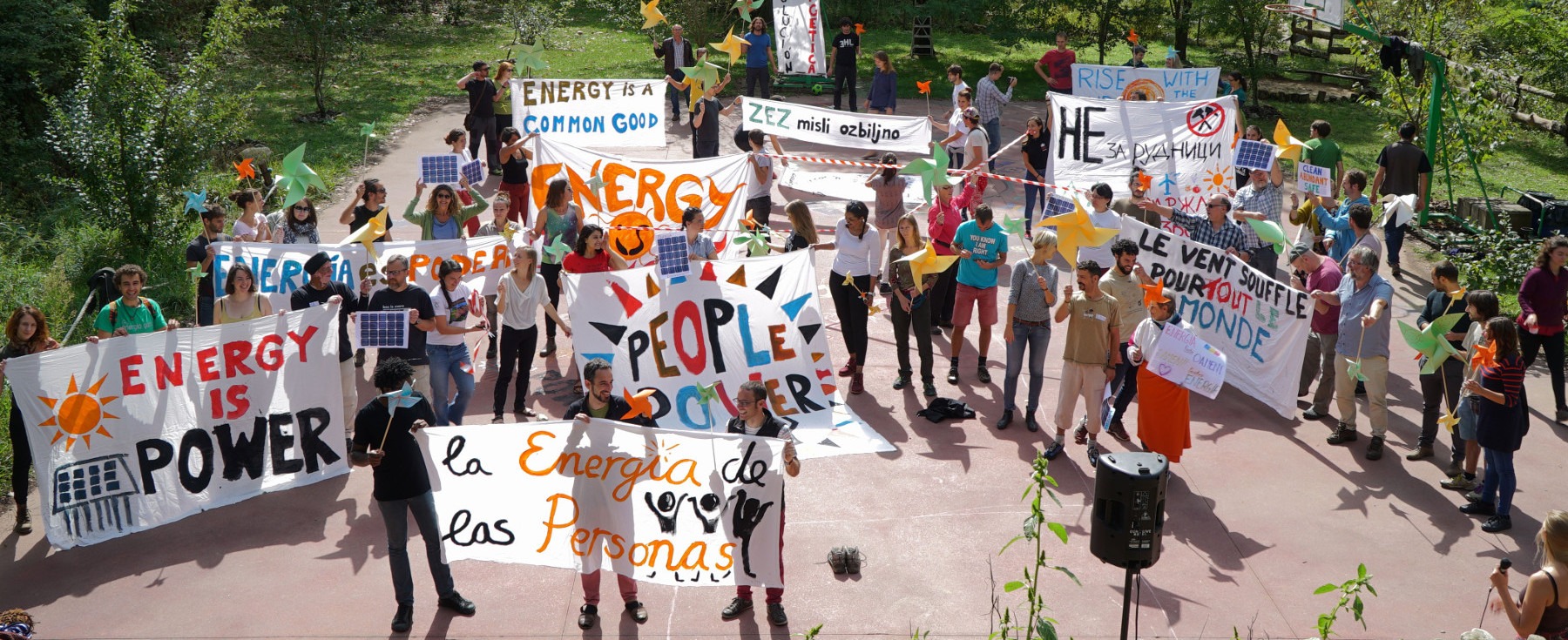
Europe needs to increase its share of renewable energy. Renewables reduce carbon emissions, are a secure, lasting energy supply which can move us away from polluting fossil fuels and create millions of green jobs.

Friends of the Earth Europe believes that faced with the threat of catastrophic climate change it is essential that Europe be running on renewable energy by 2050. 

For enquiries please contact:

  • Sonja Meister
  • Molly Walsh
    • Agriculture

      Food and farming in Europe and its global impacts

    • Agrofuels

      Plant-based fuels from agriculture. Also known as biofuels

    • Biodiversity

      Species and habitat protection in Europe and around the globe

    • GMOs

      Genetically modified crops and organisms

    • Land

      Measuring Europe’s land footprint and tackling the drivers of land grabbing

    • Biodiversity

      Species and habitat protection in Europe and around the globe

    • Extractive industries

      Oil and gas exploration, and mining

    • Land

      Measuring Europe’s land footprint and tackling the drivers of land grabbing

    • Materials and waste

      Reducing, reusing and recycling resources

    • Resource use

      Europe’s consumption of land, materials, water and carbon

    • Shale gas

      Unconventional gas and the extraction process known as ‘fracking’

    • Tar sands

      Unconventional oil. Also known as oil sands

    • Water use

      Measuring Europe’s water footprint